
Rhinoplasty
Facial Plastics and Rhinoplasty
Considering rhinoplasty to change the appearance of your nose or address breathing concerns? Nose reshaping surgery is a personalized facial plastic surgery procedure that may improve nasal proportions, correct changes following an injury, or address certain structural problems. Understanding the benefits, limitations, and recovery process can help you decide what to discuss during a consultation.
Before & After

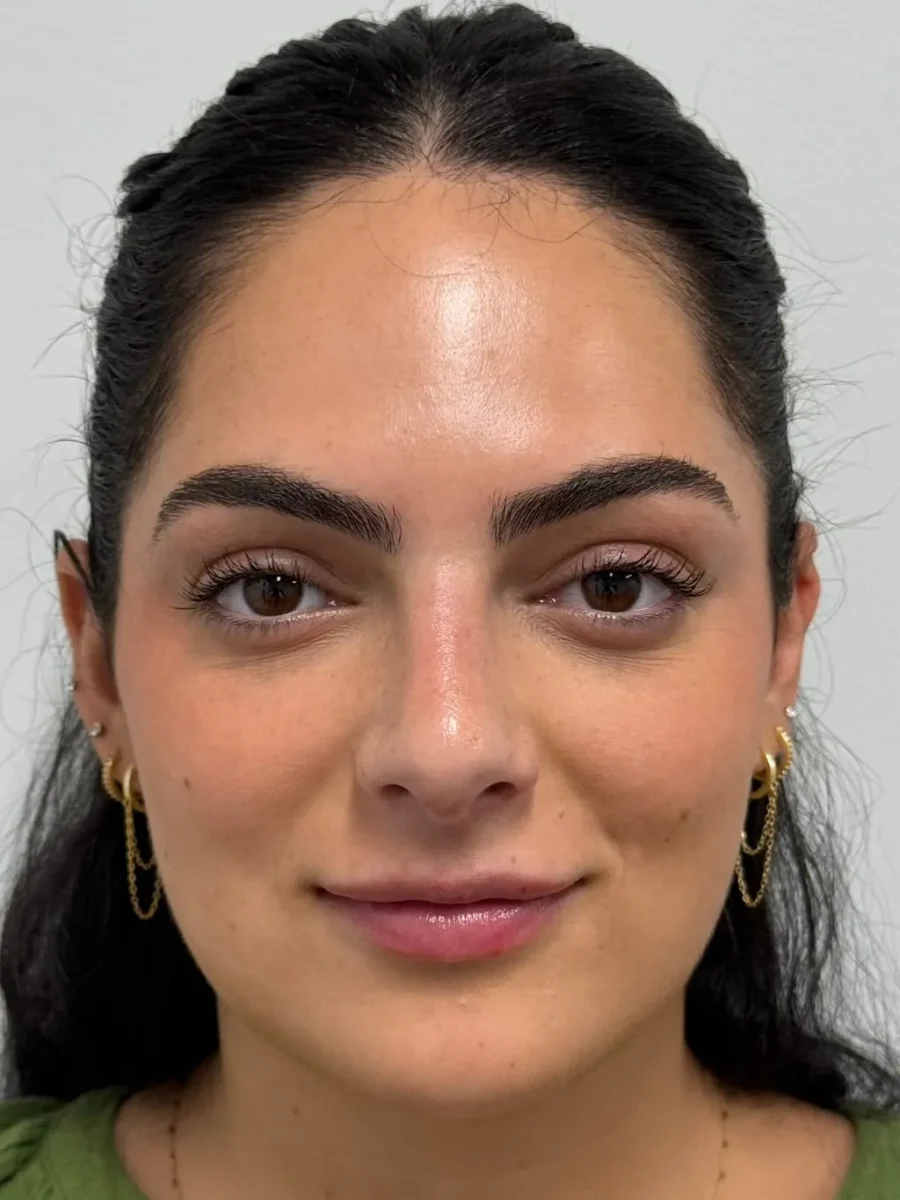
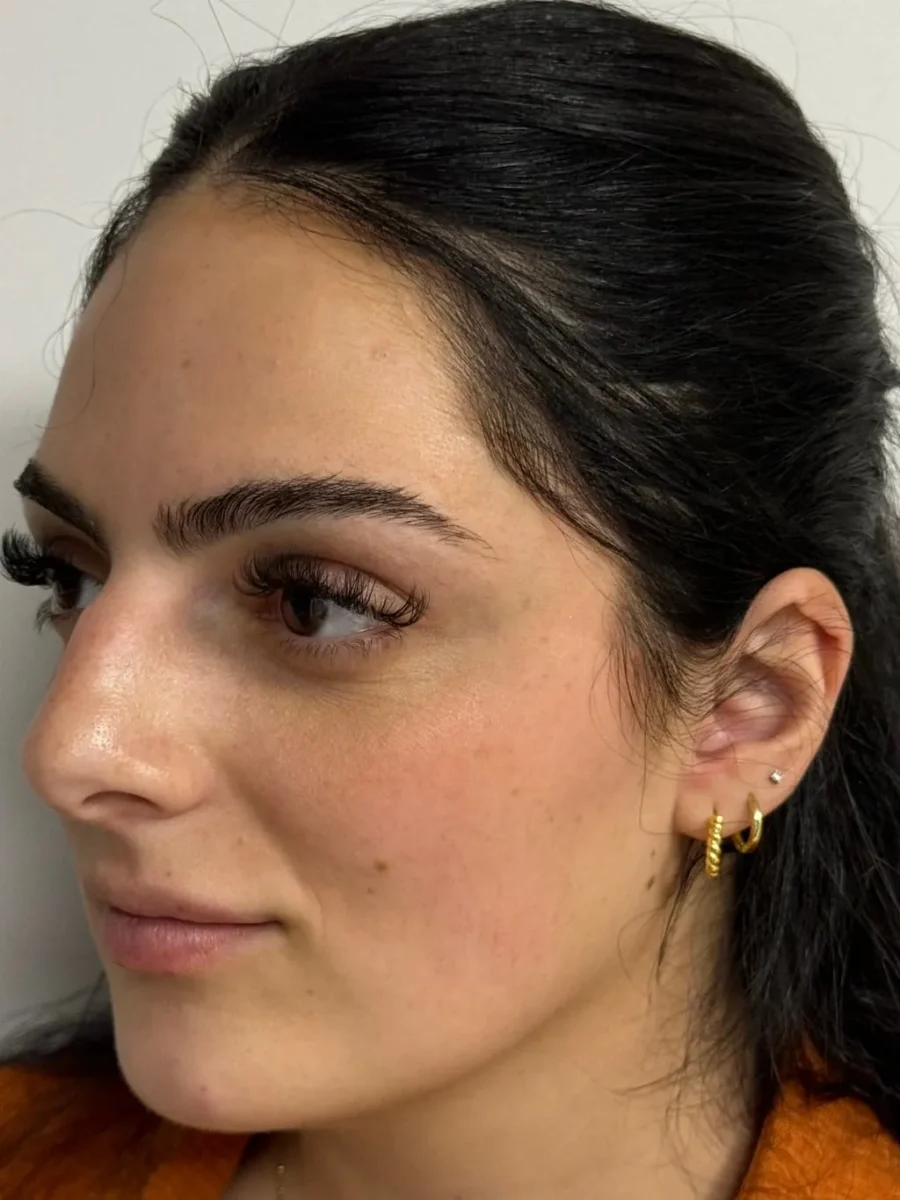
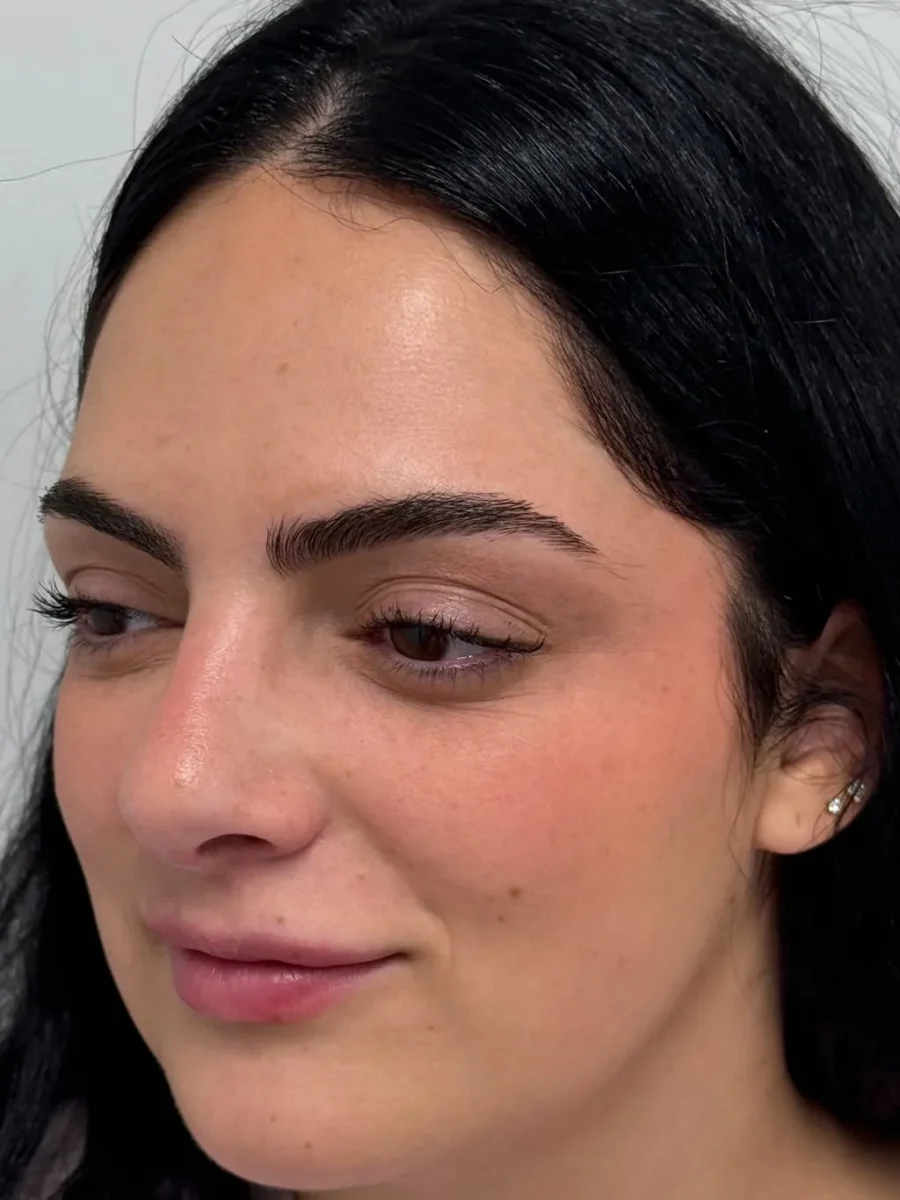
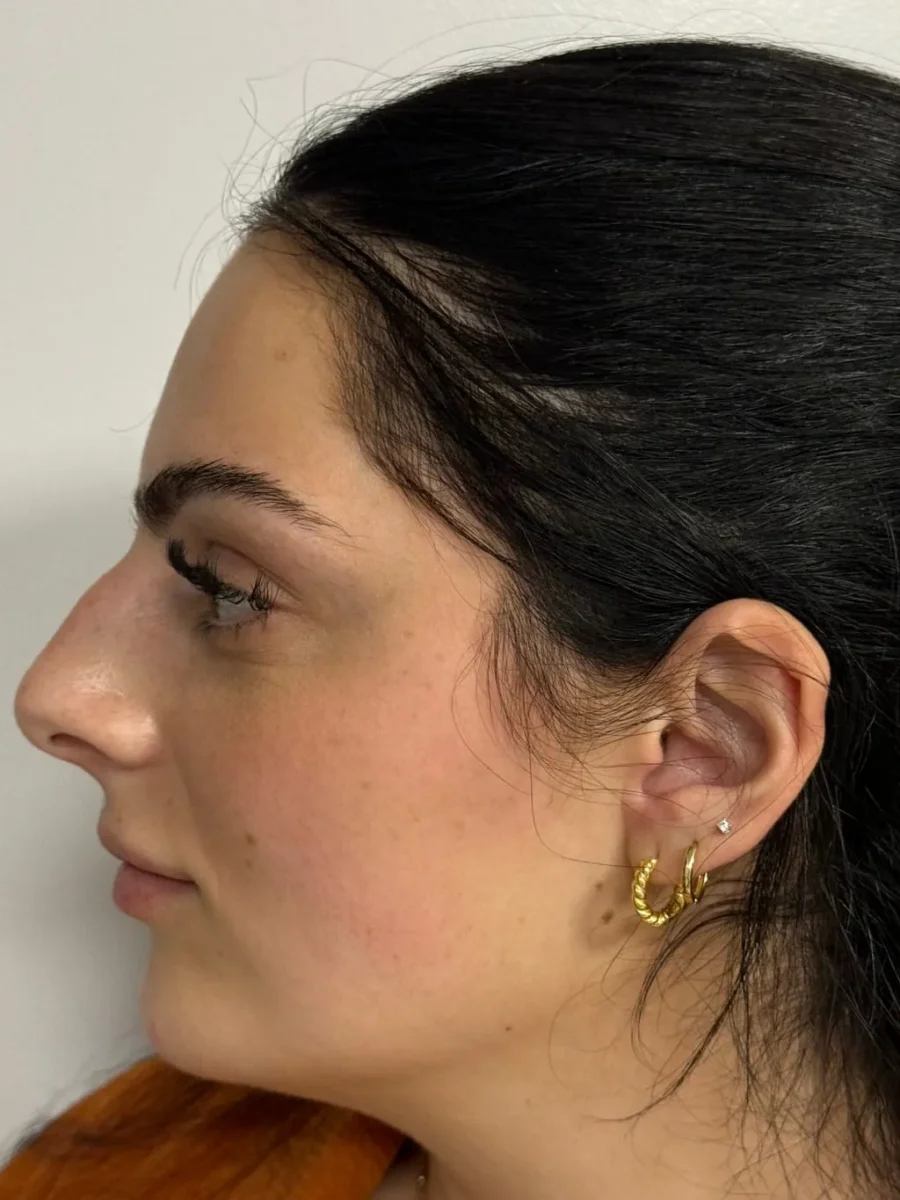
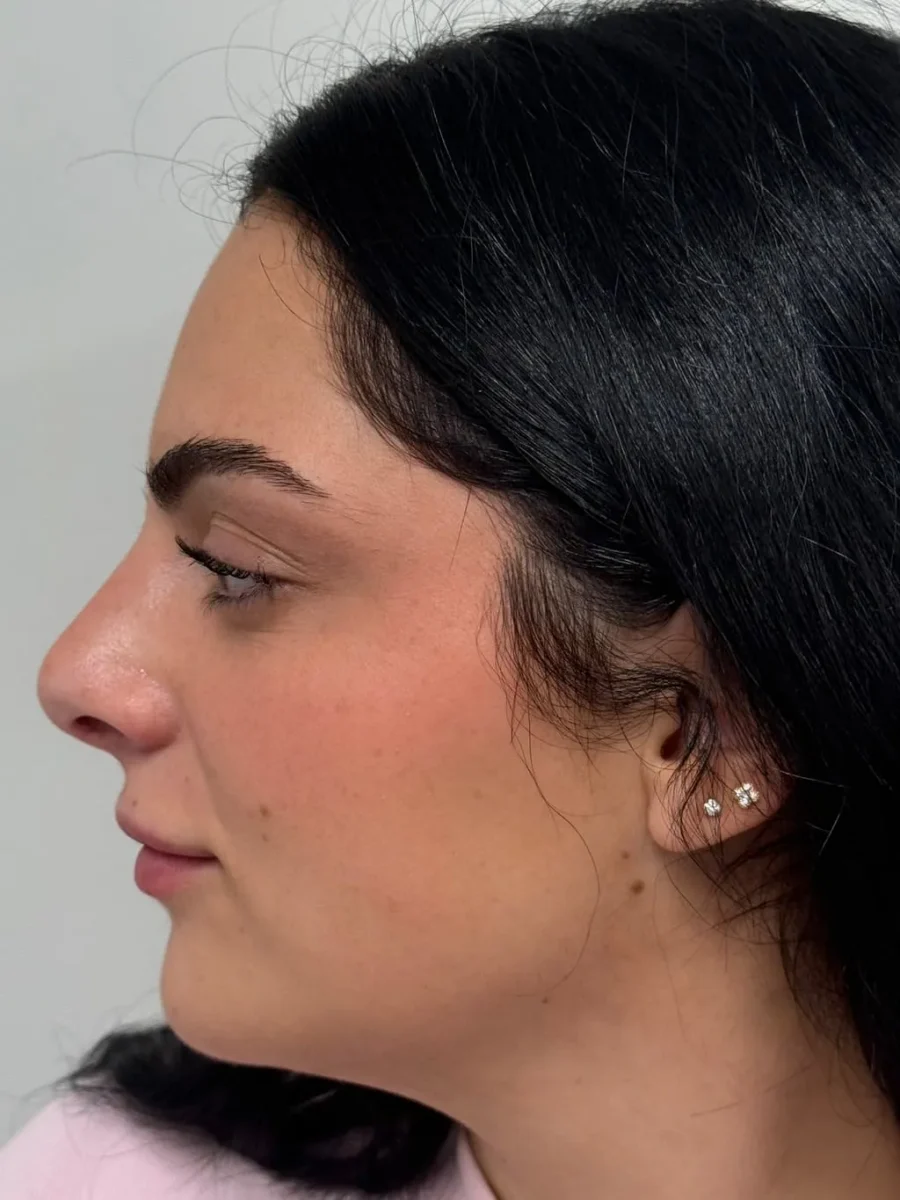
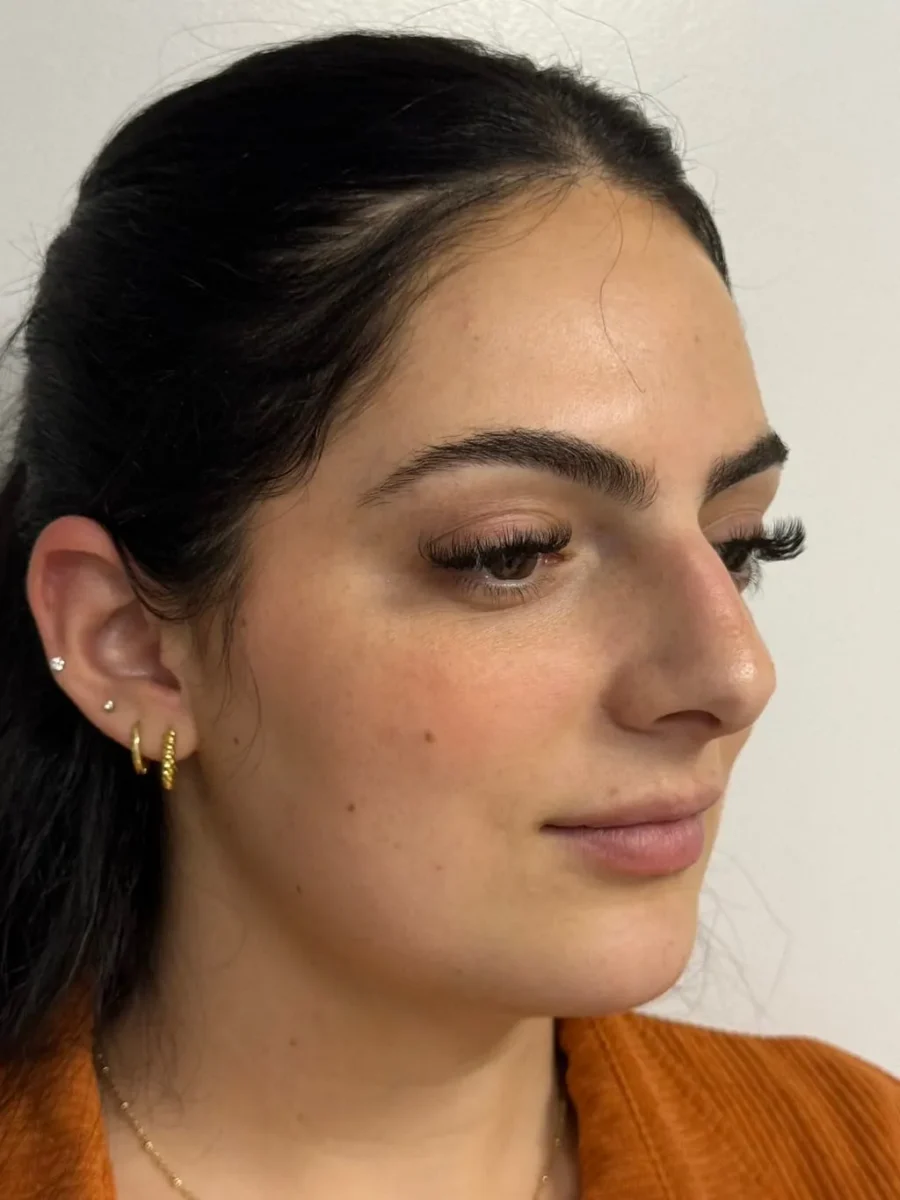

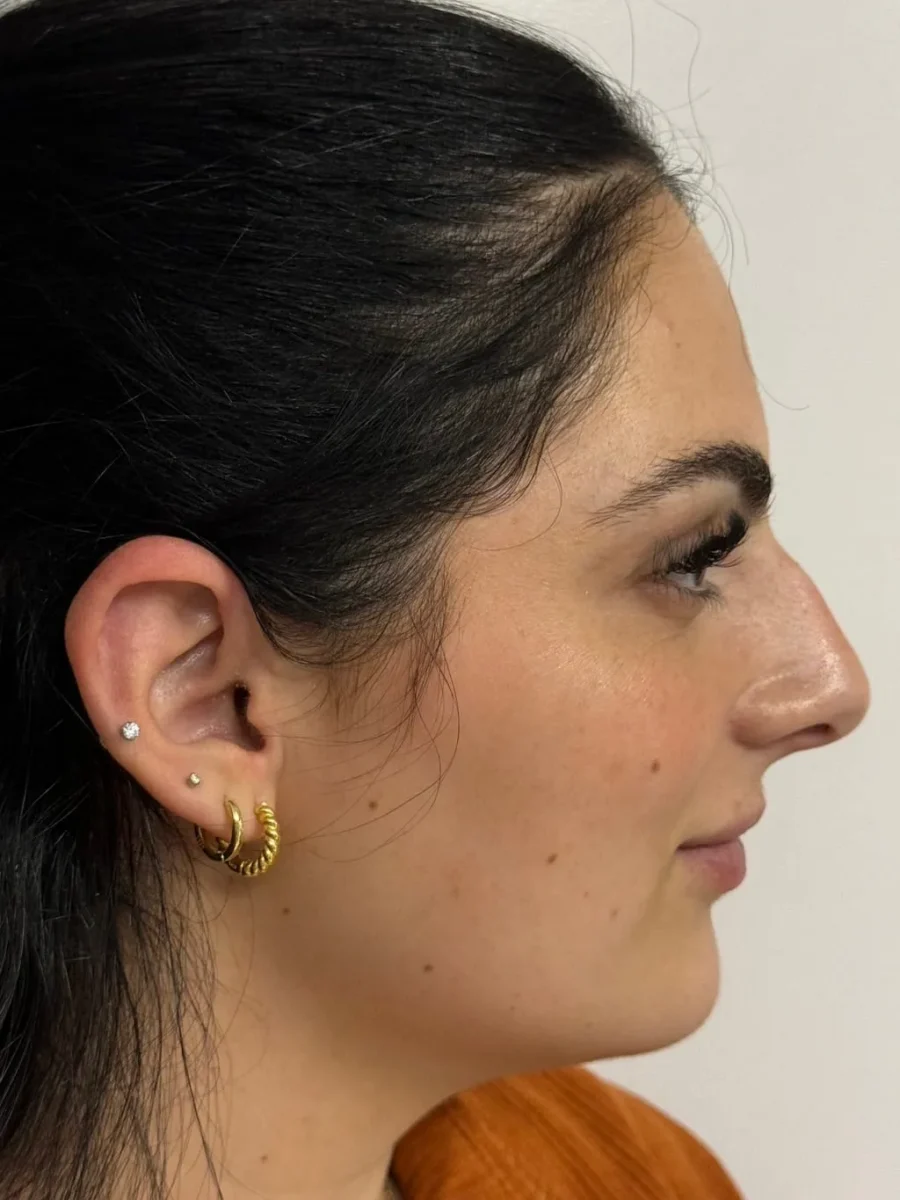
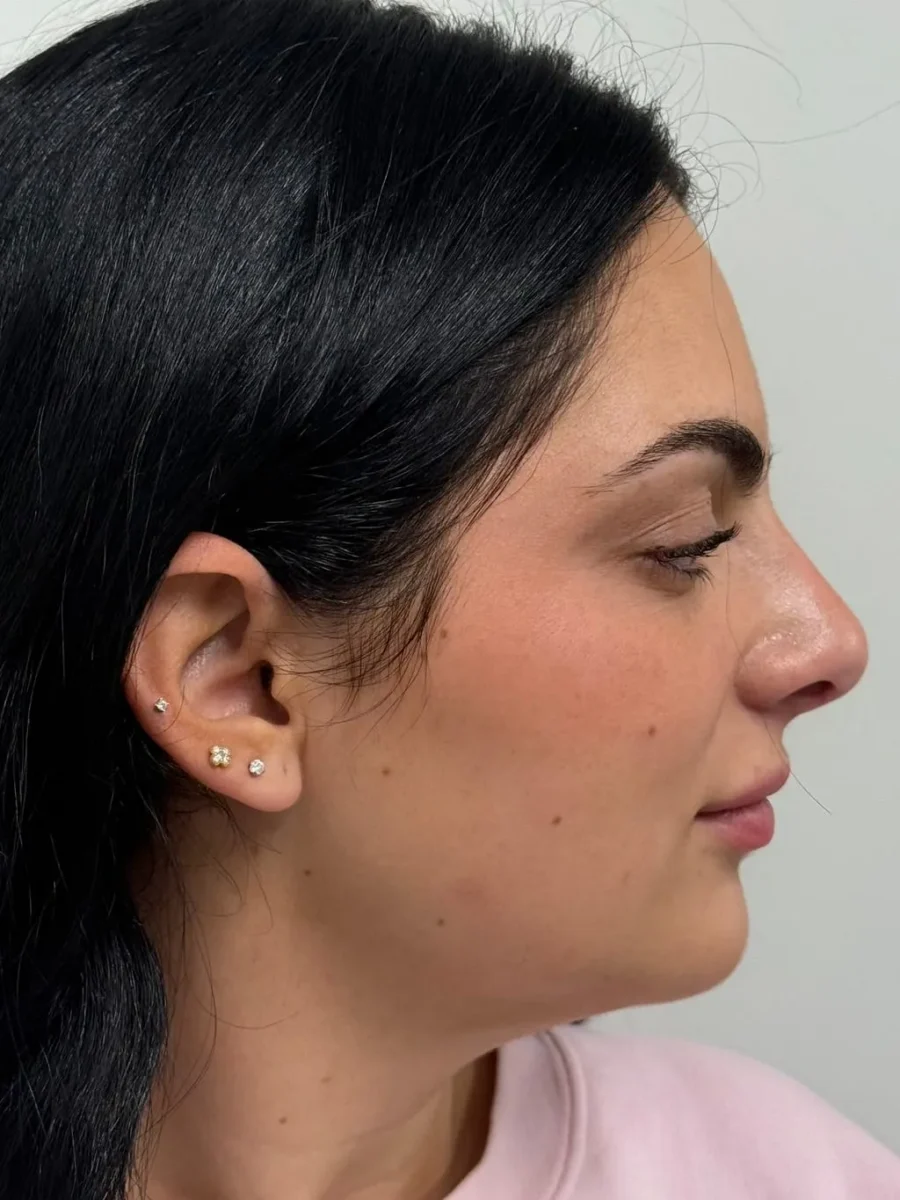
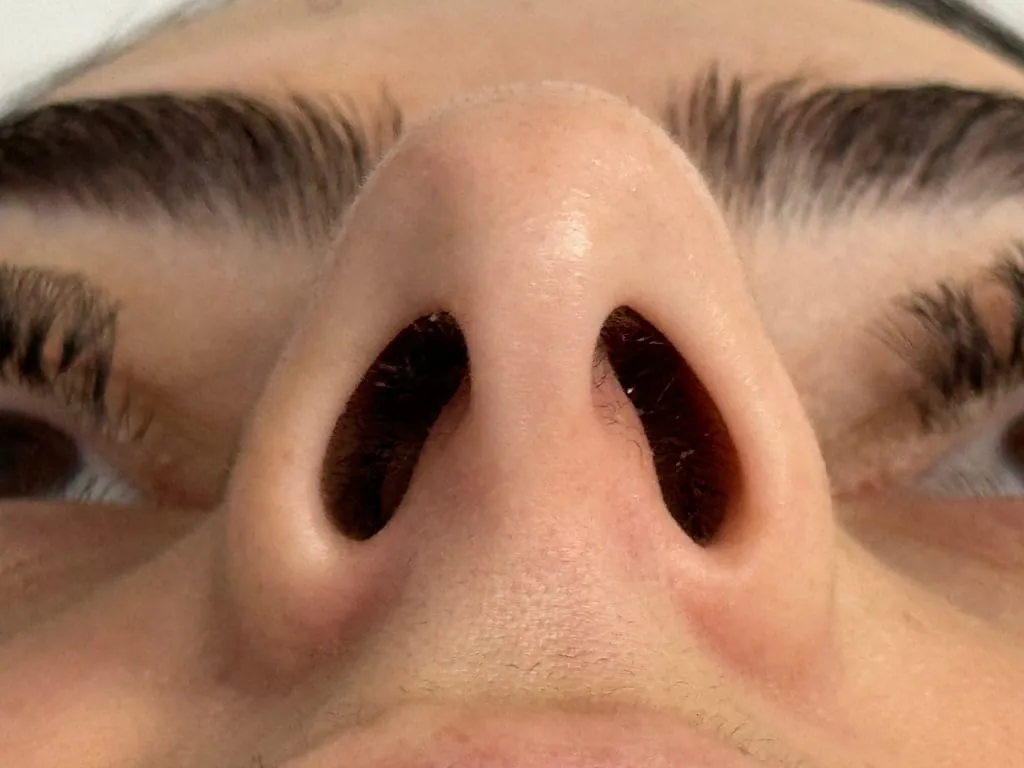
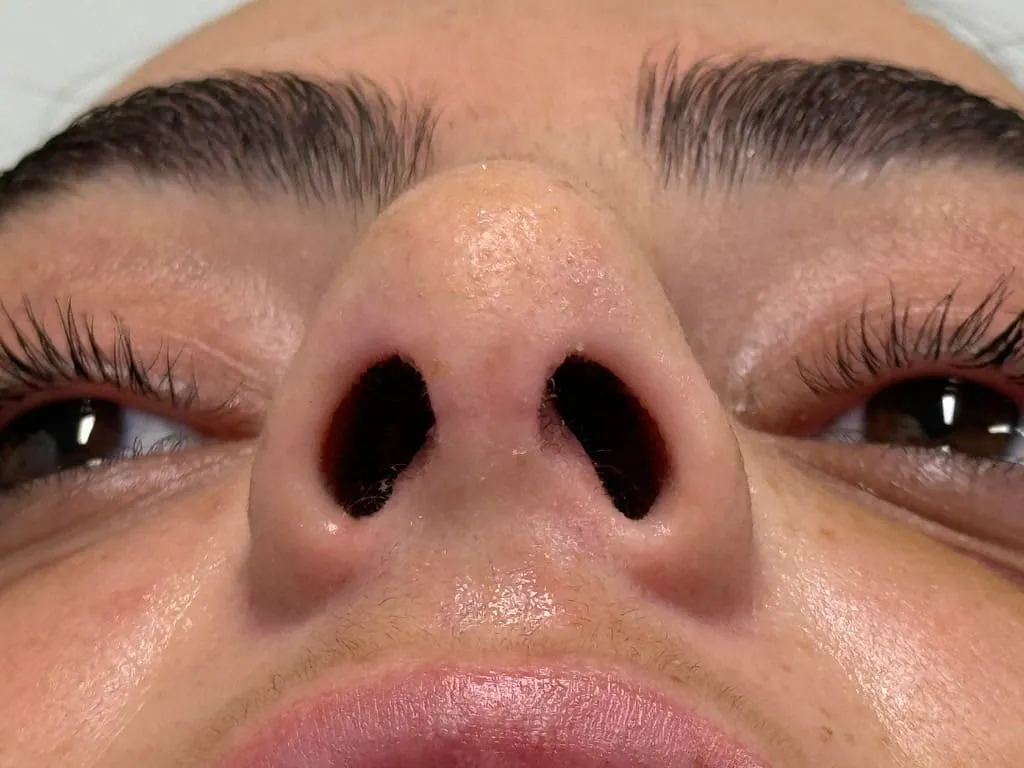
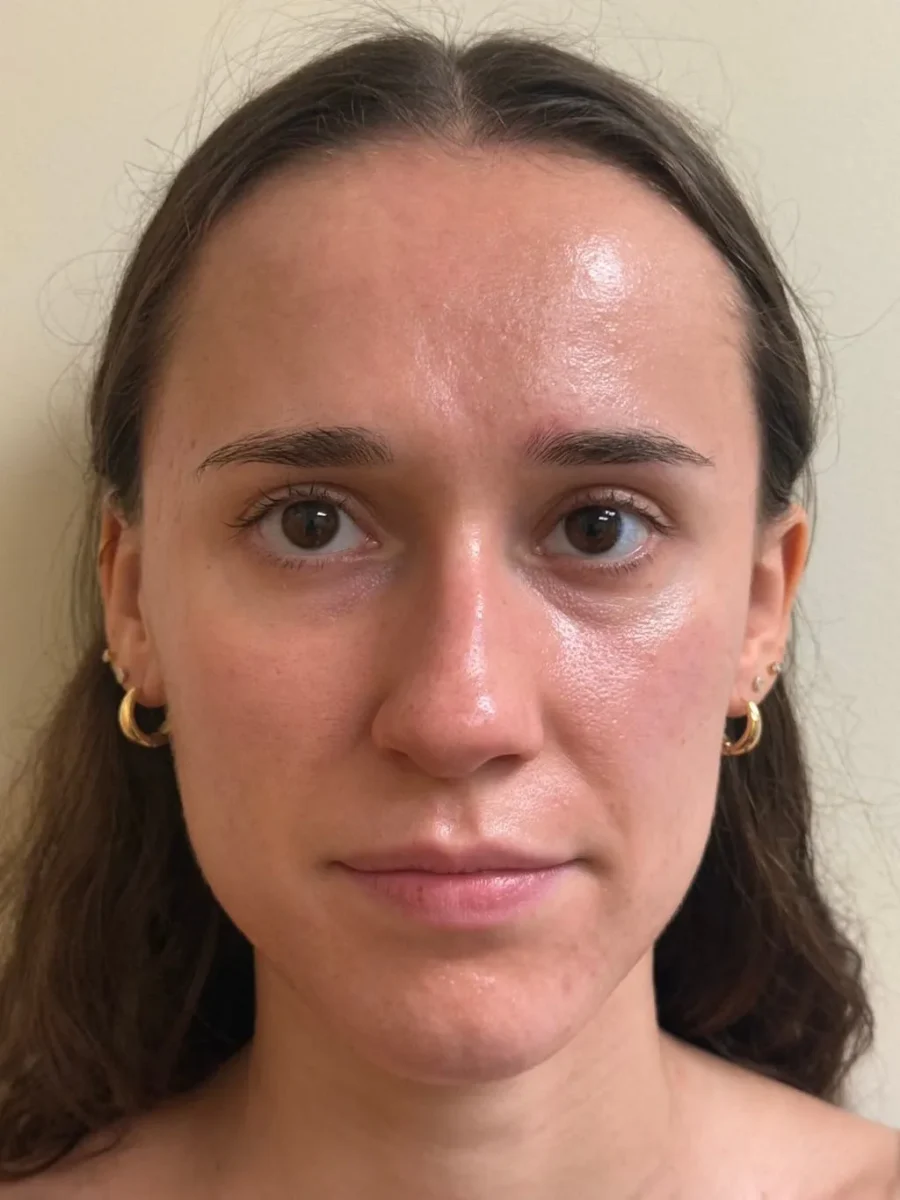
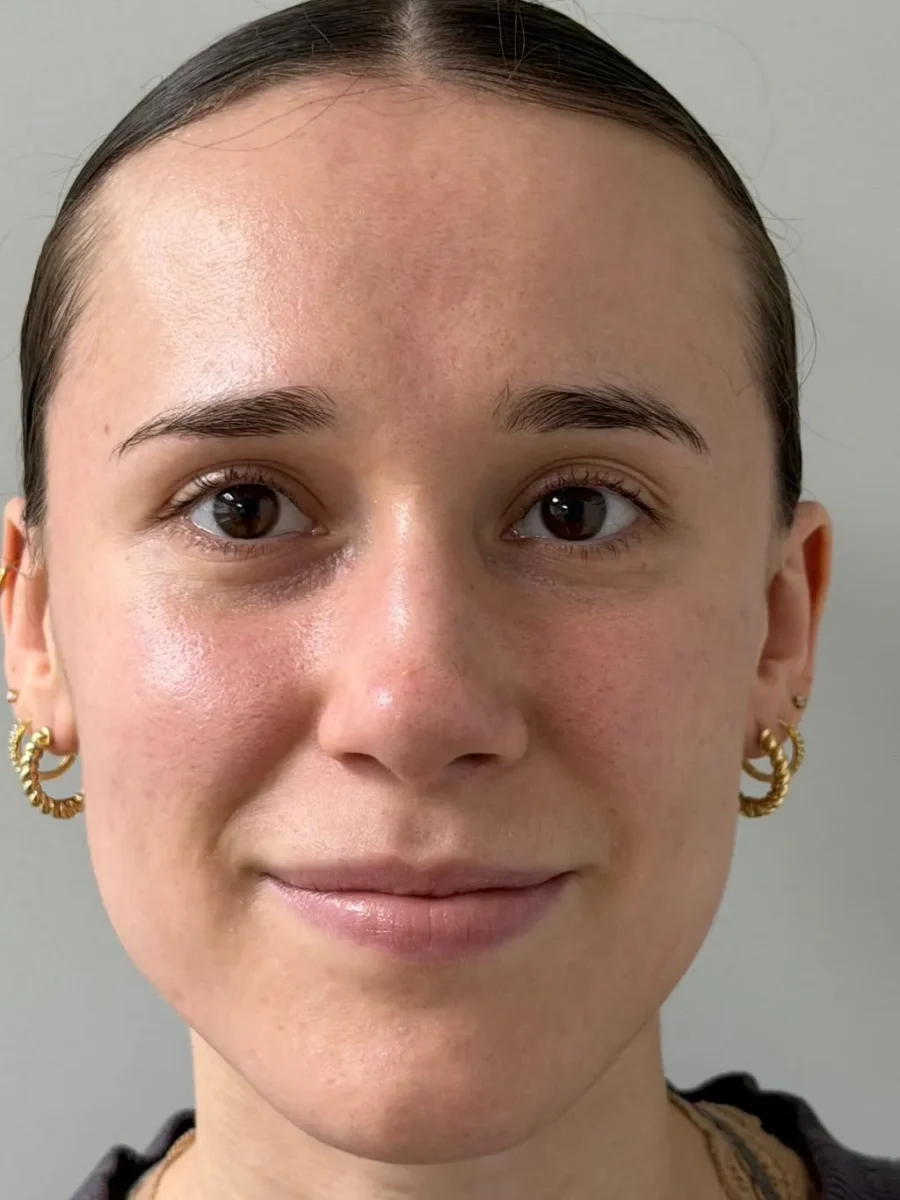
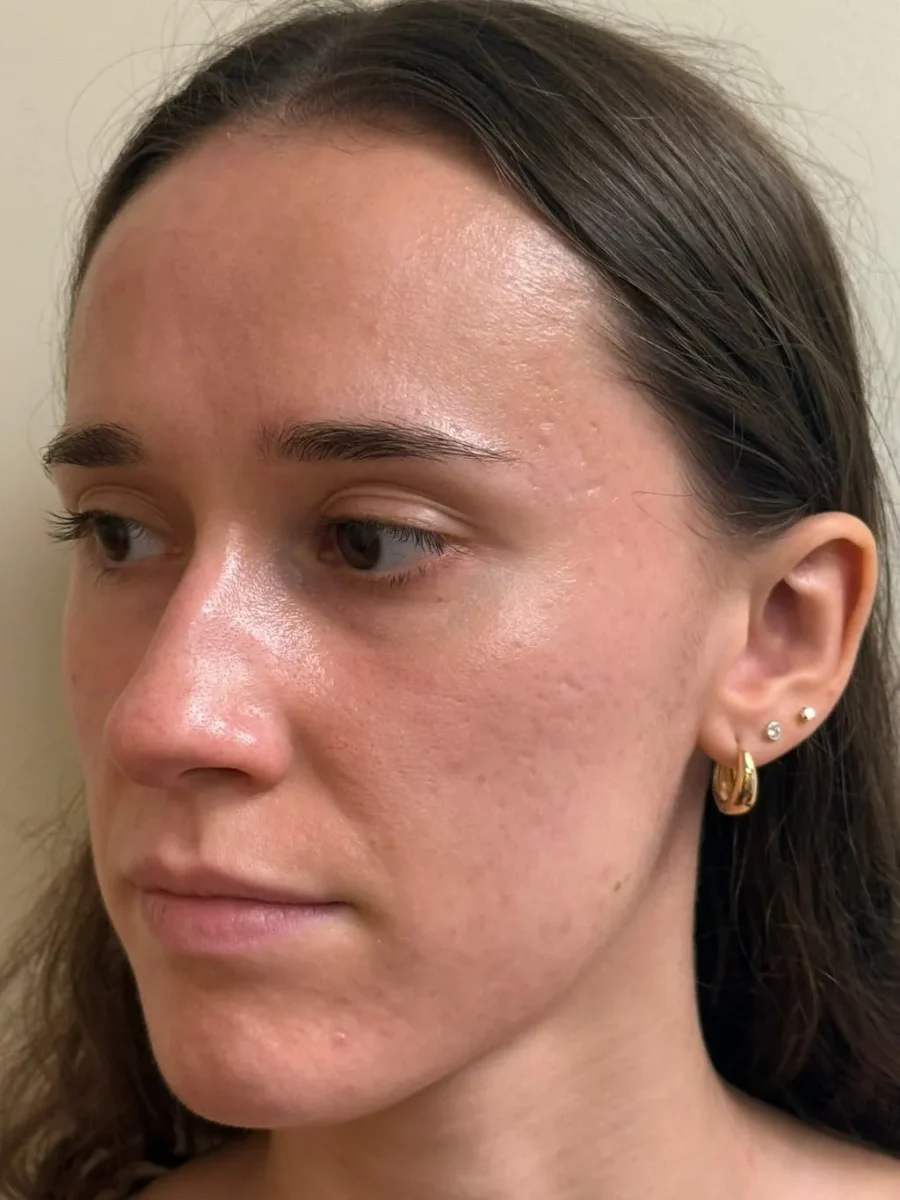
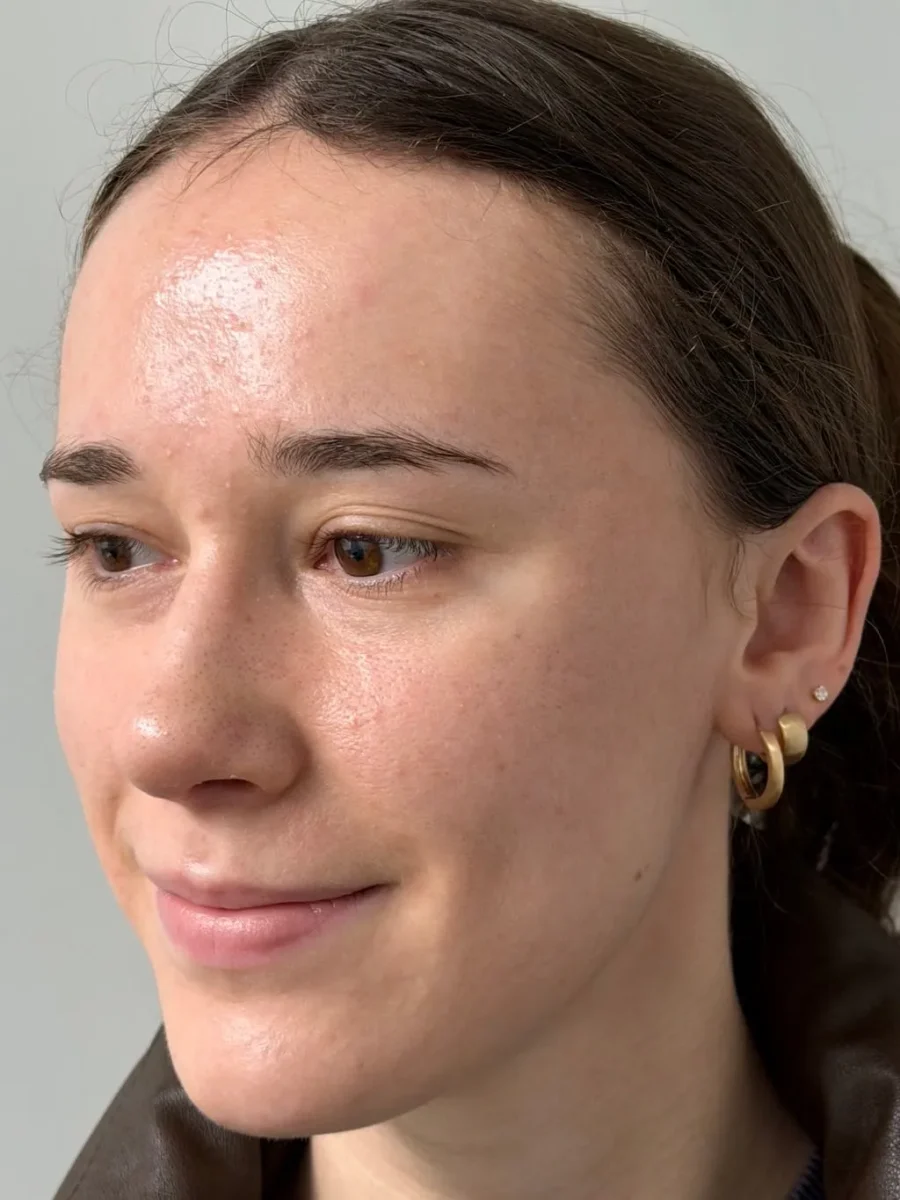
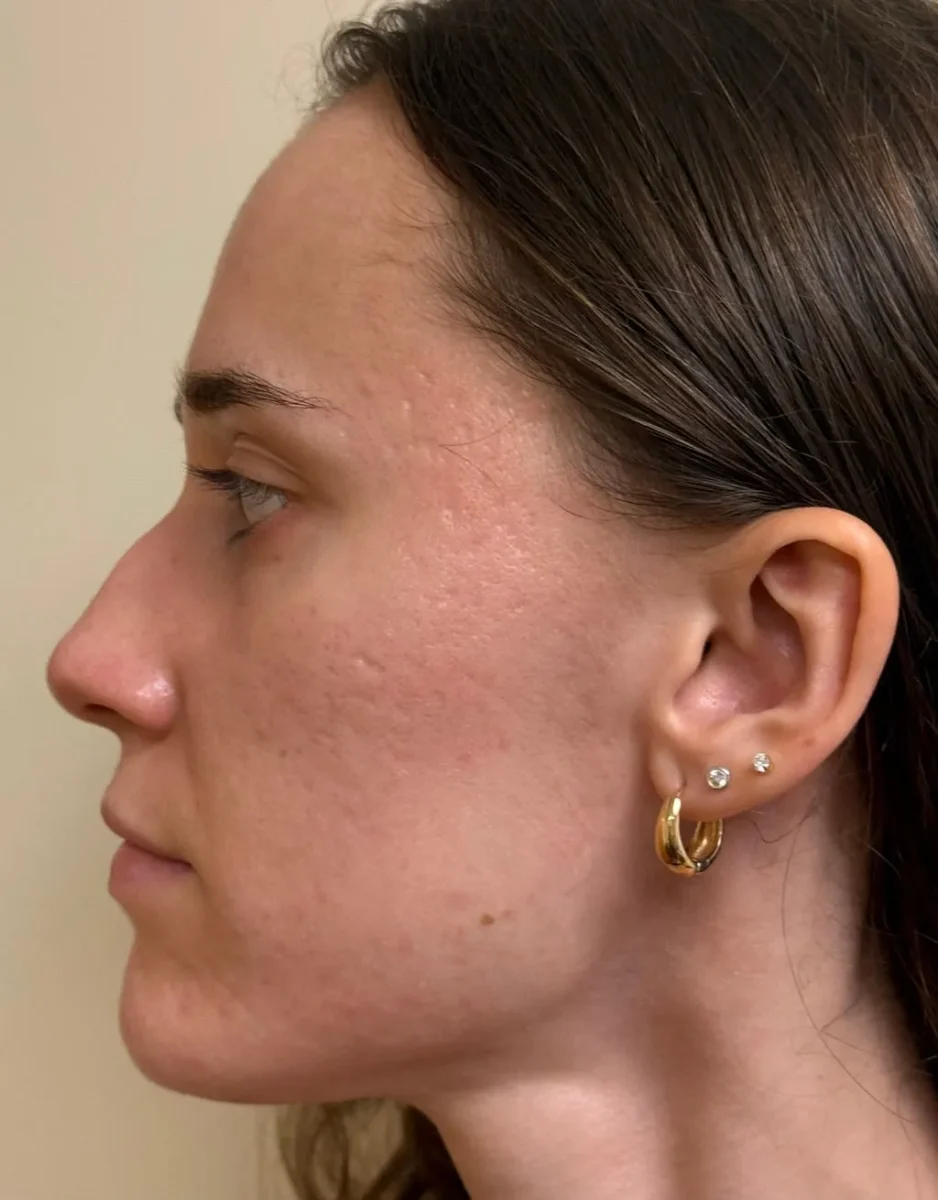
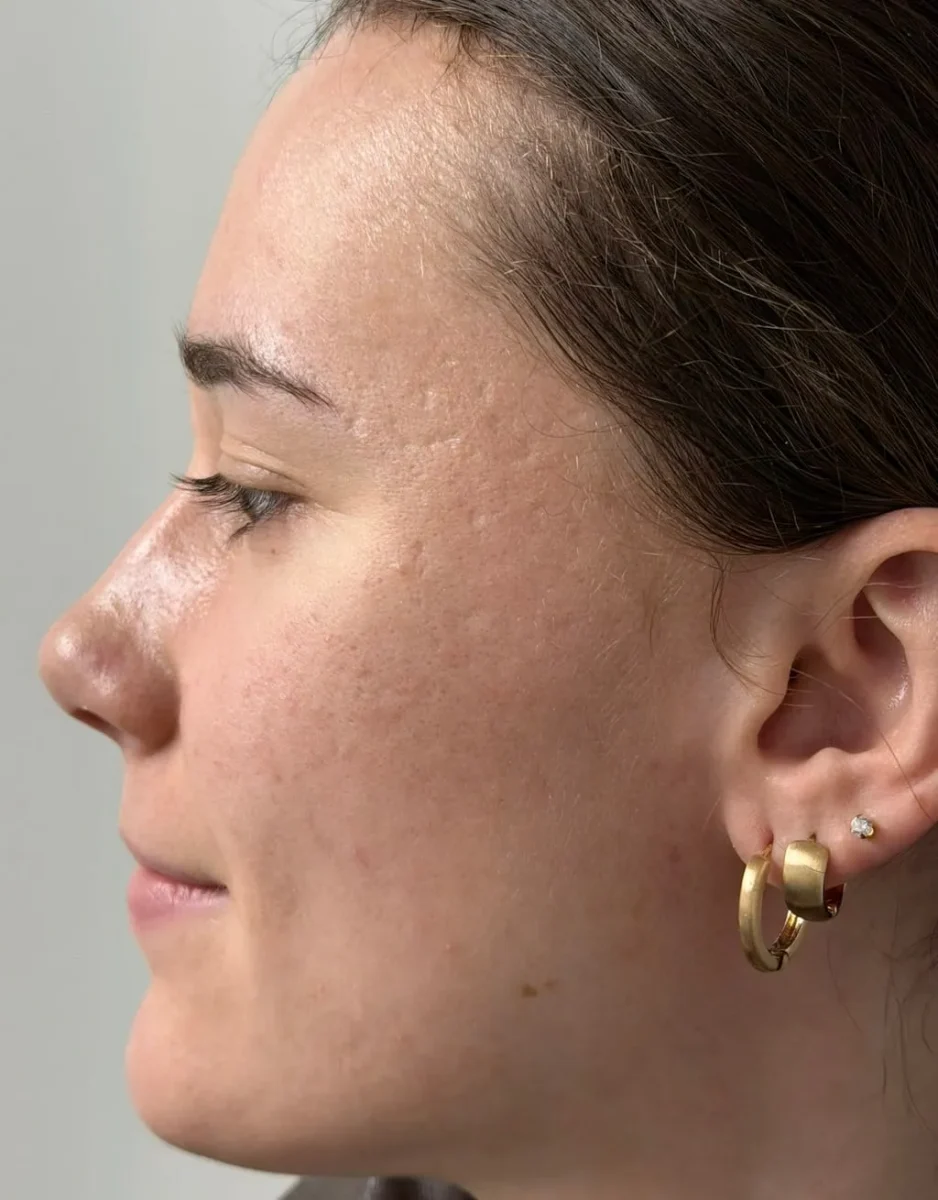

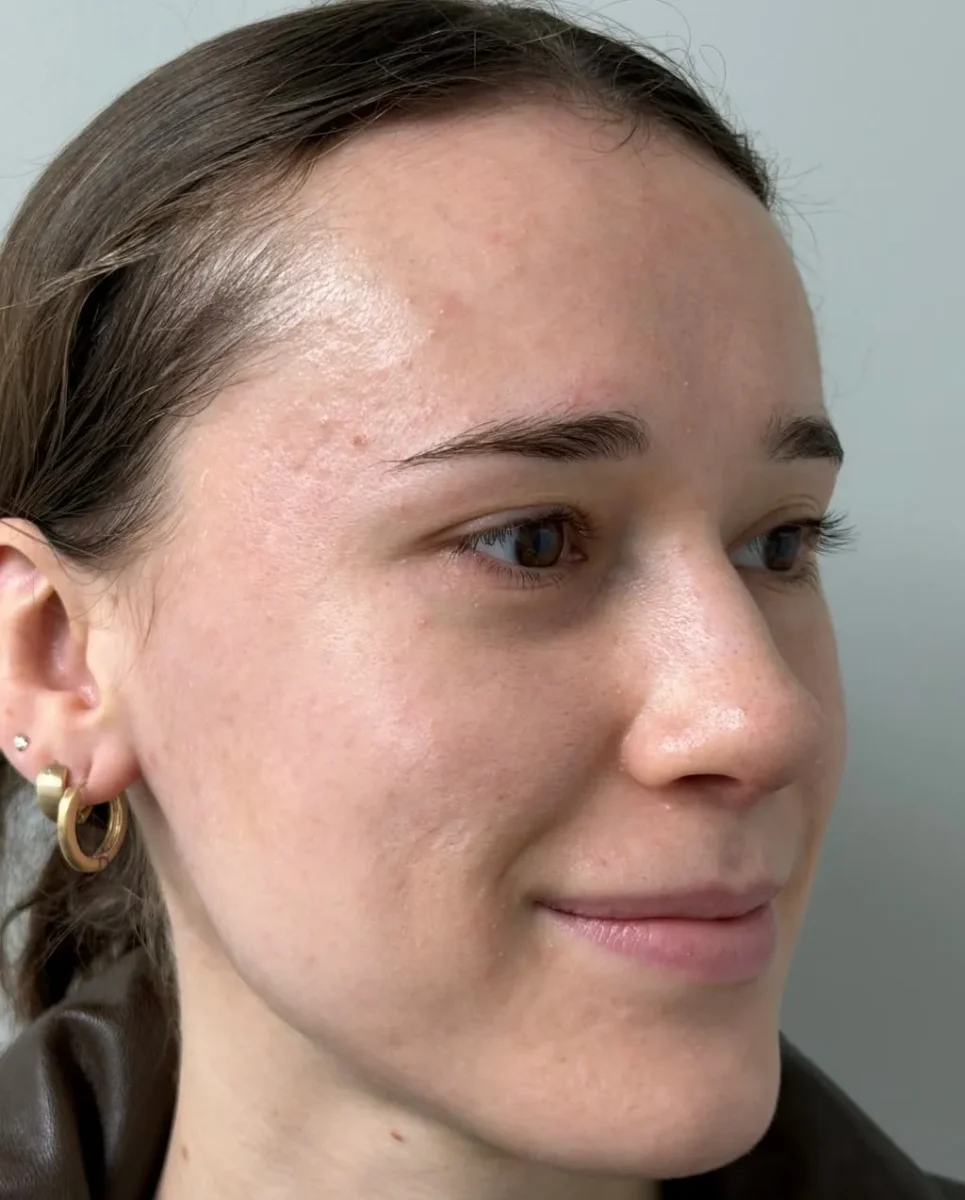
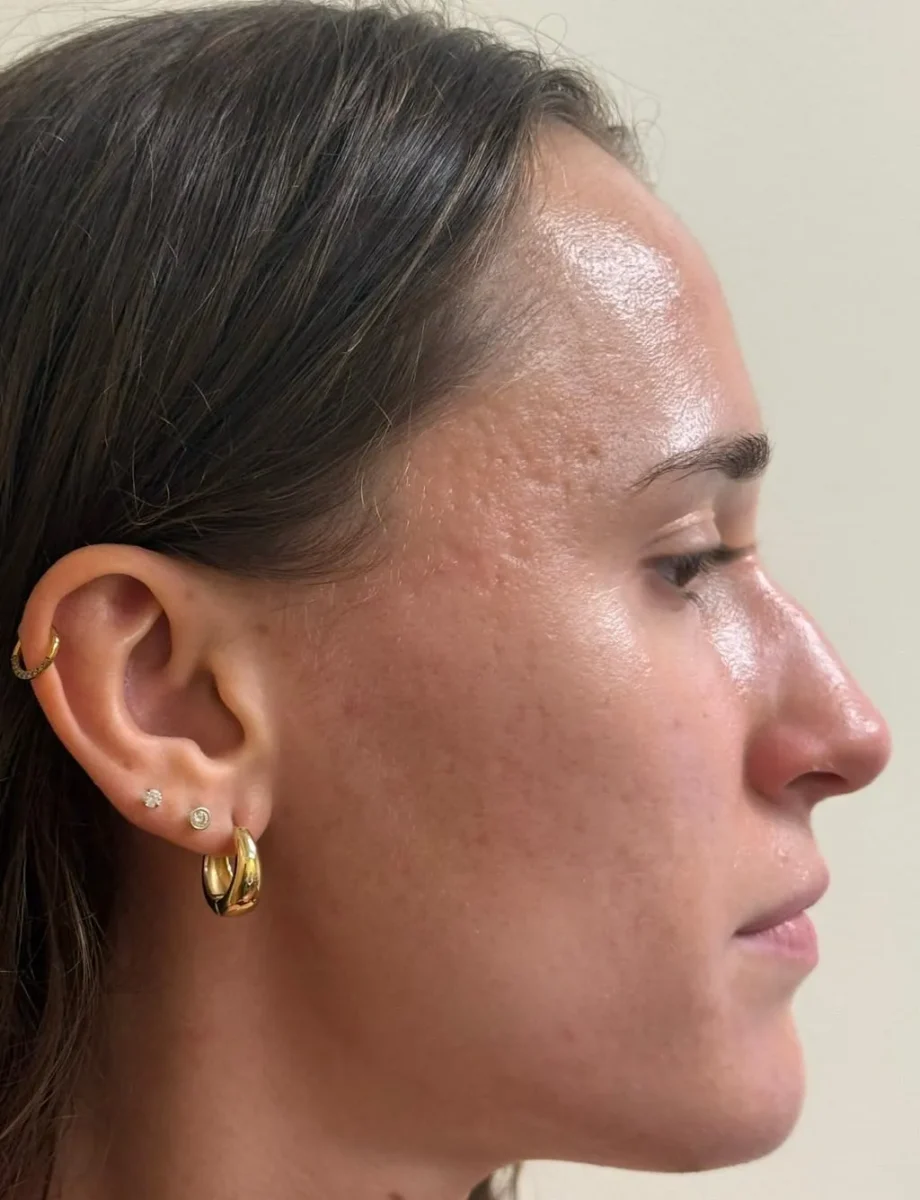
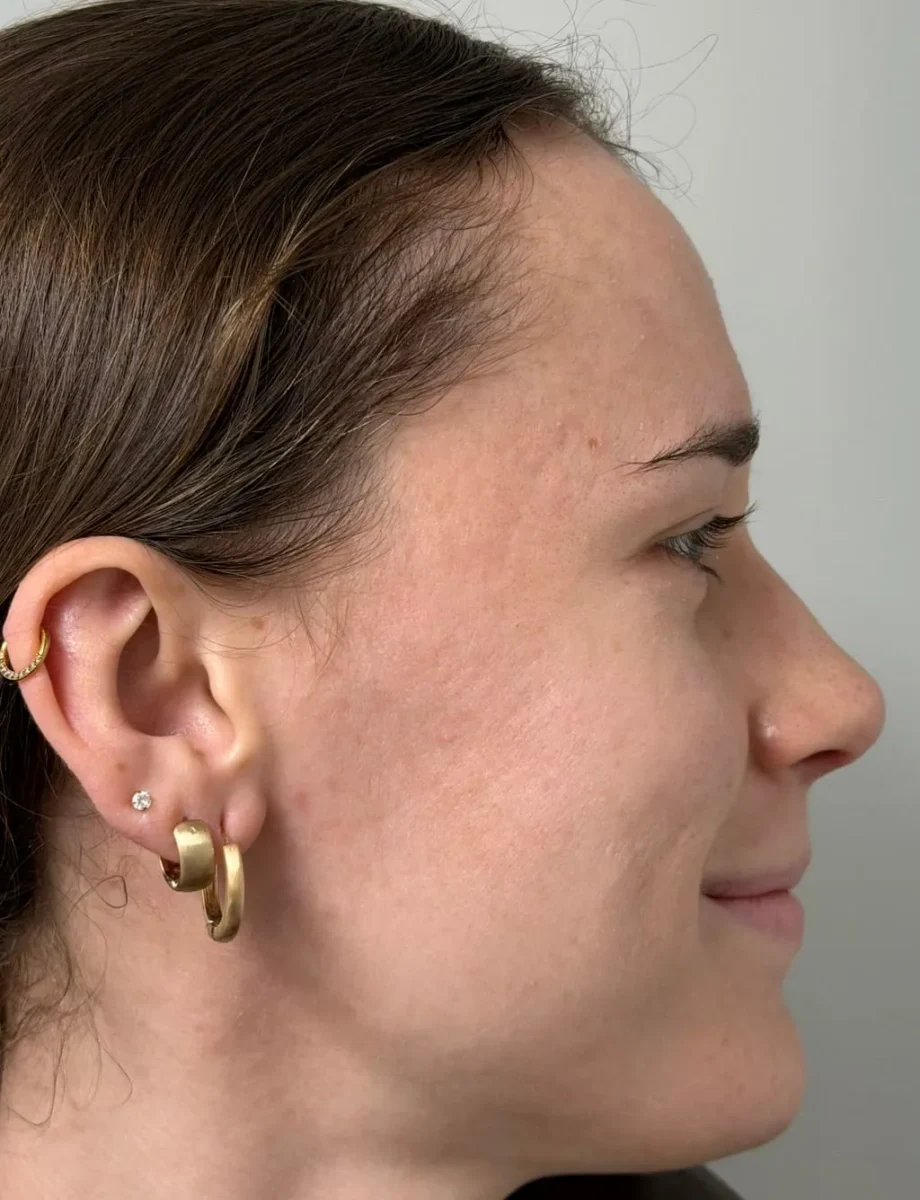
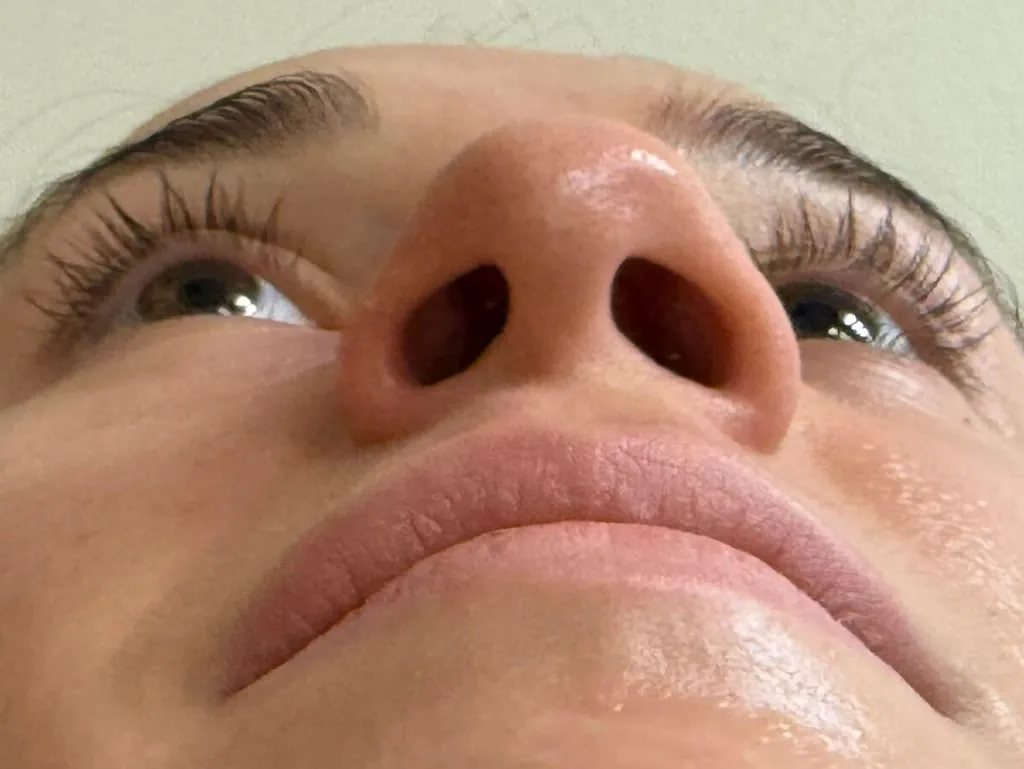
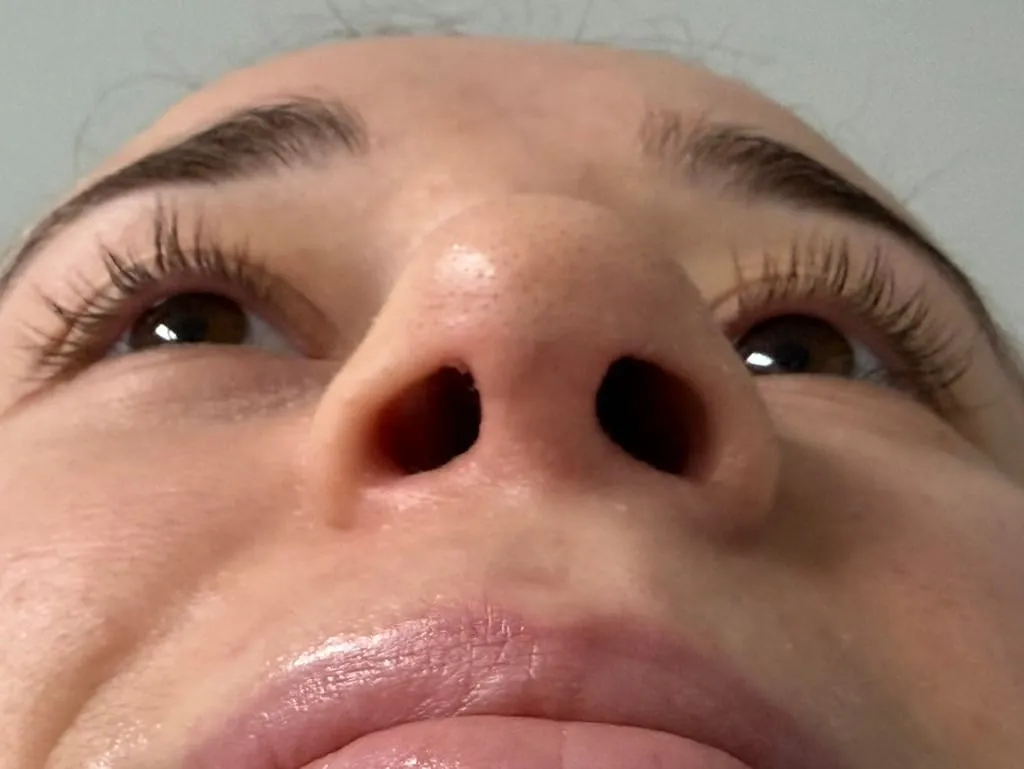

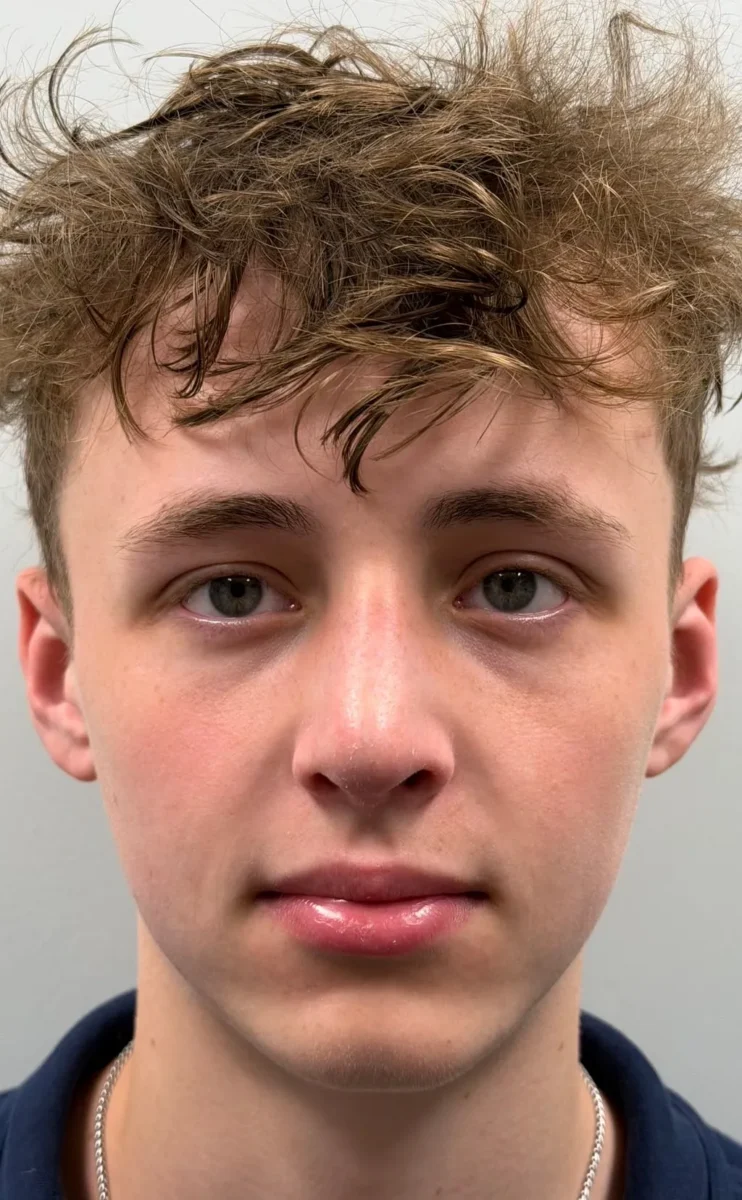
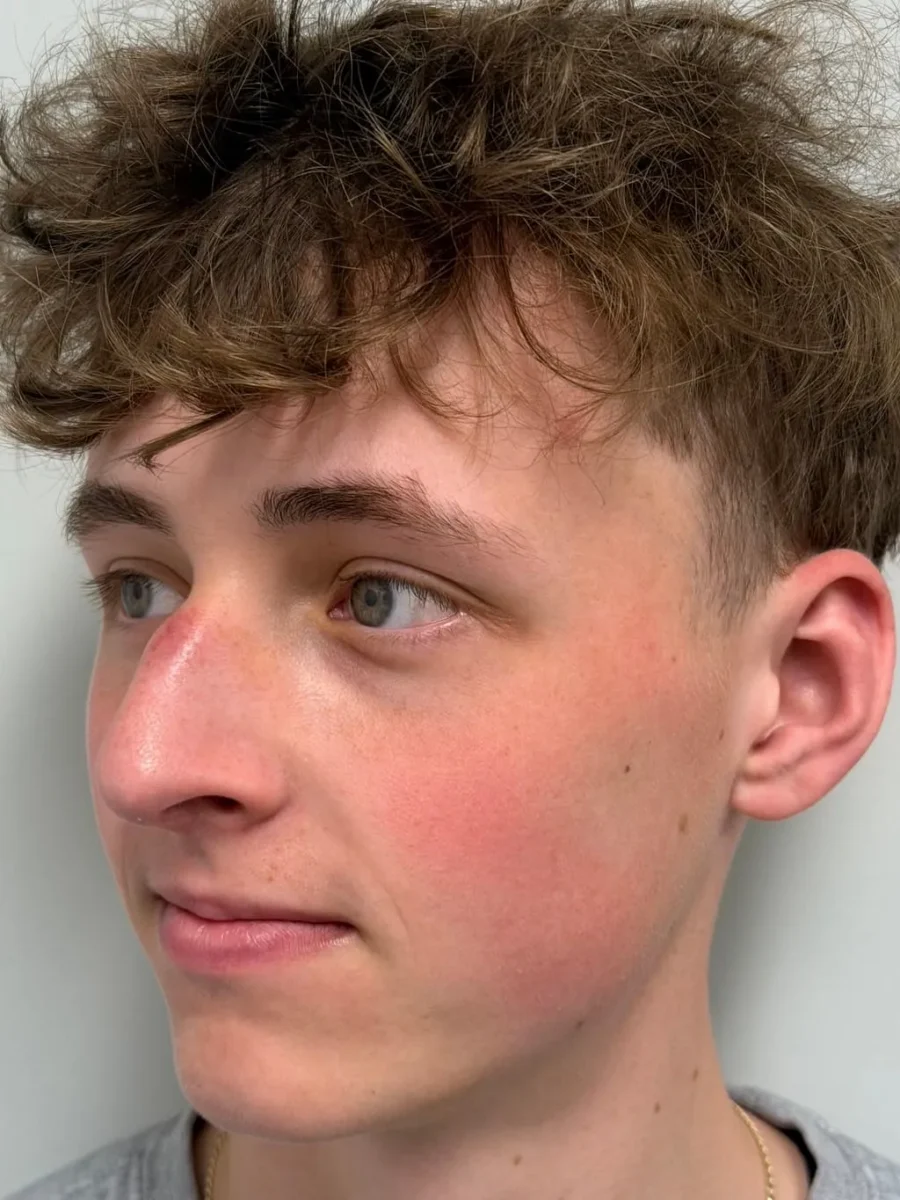
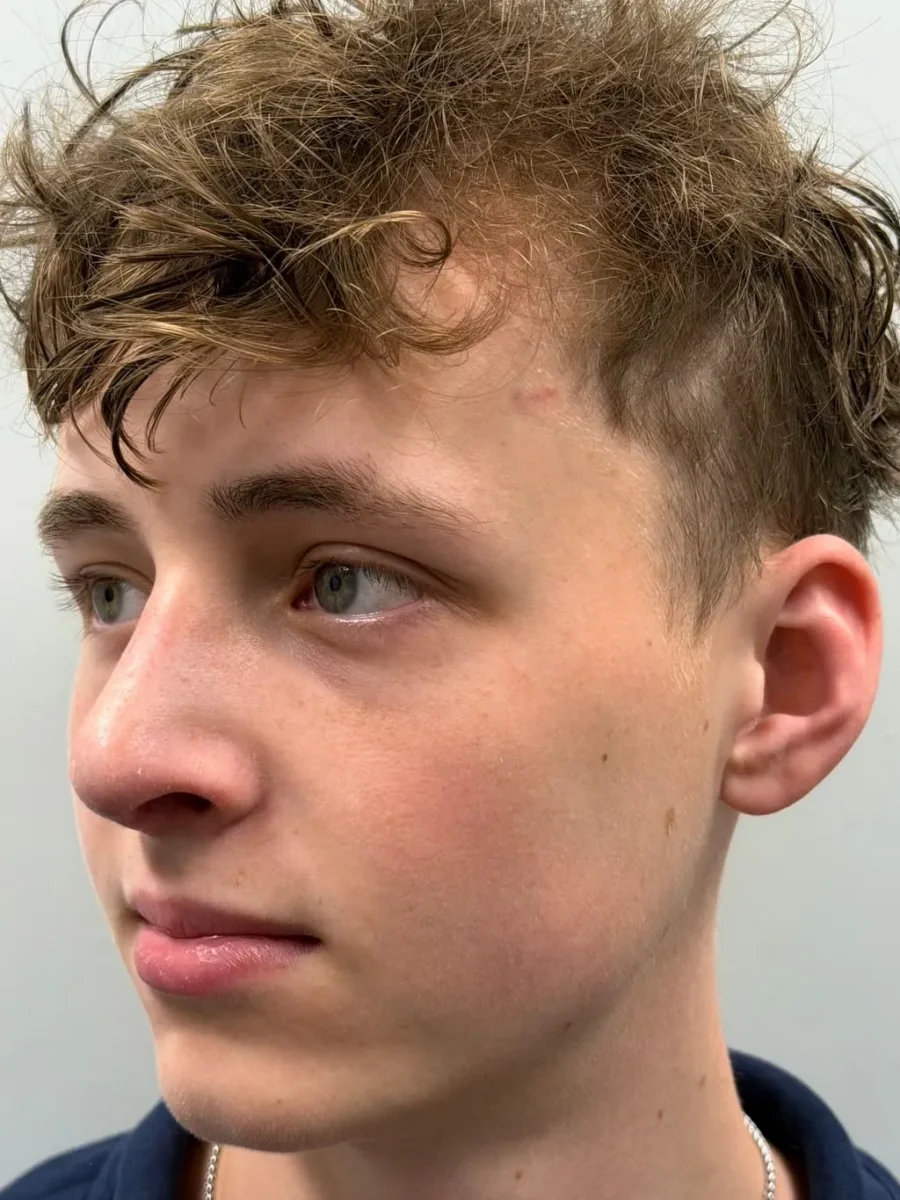

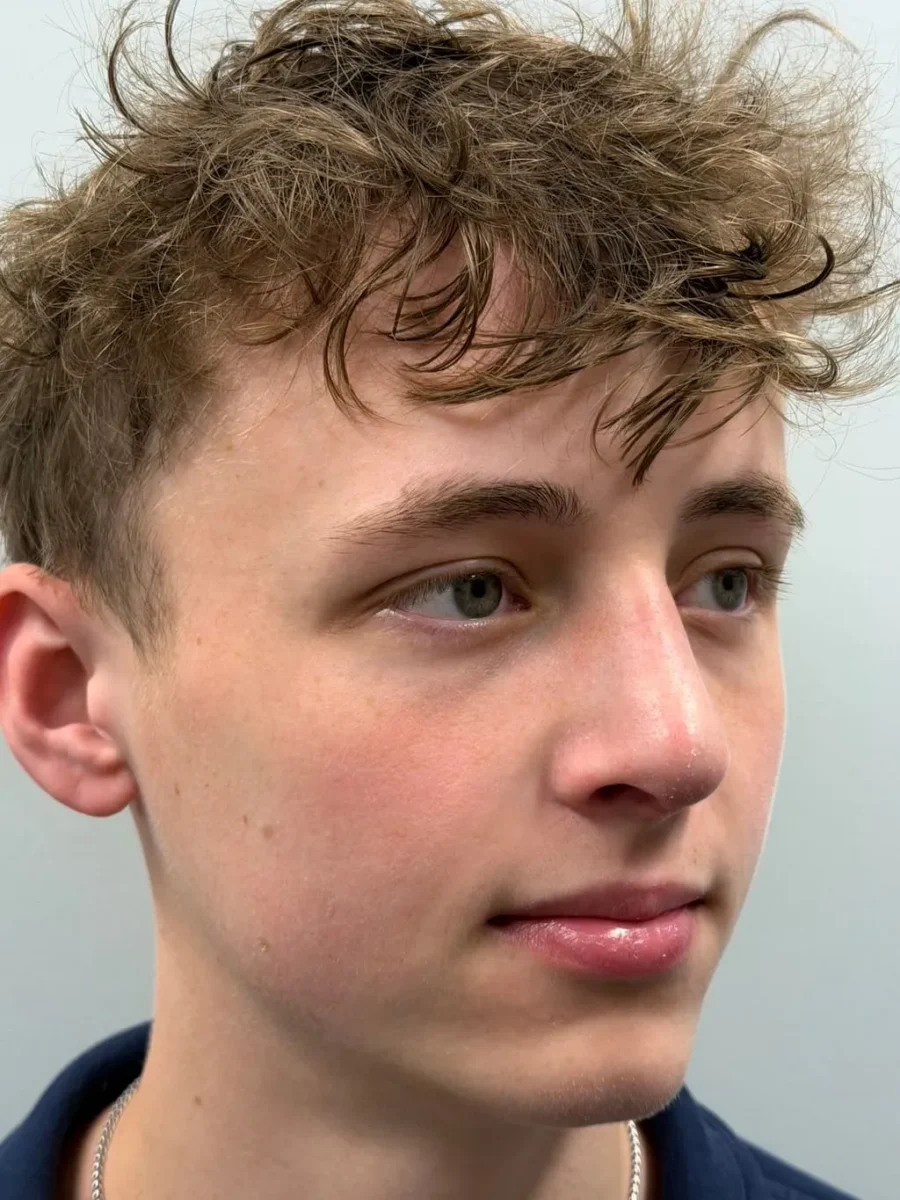
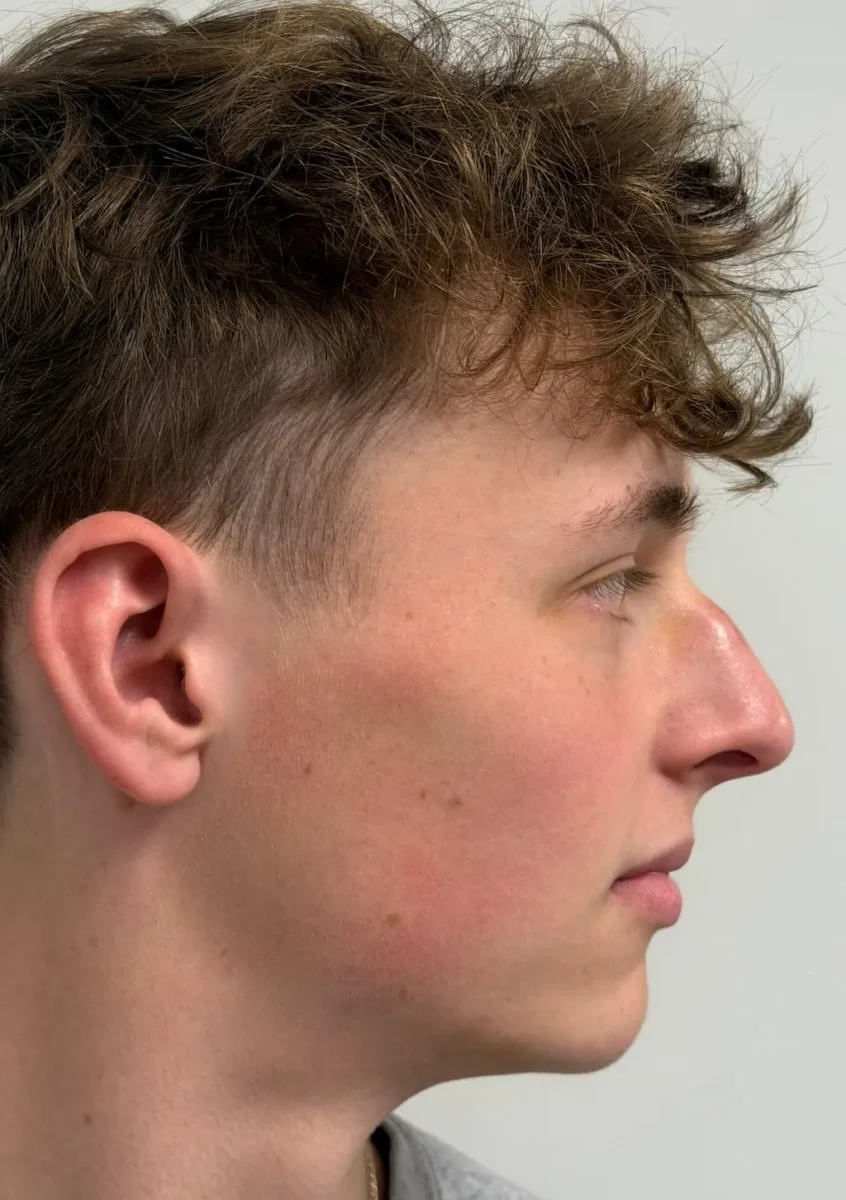

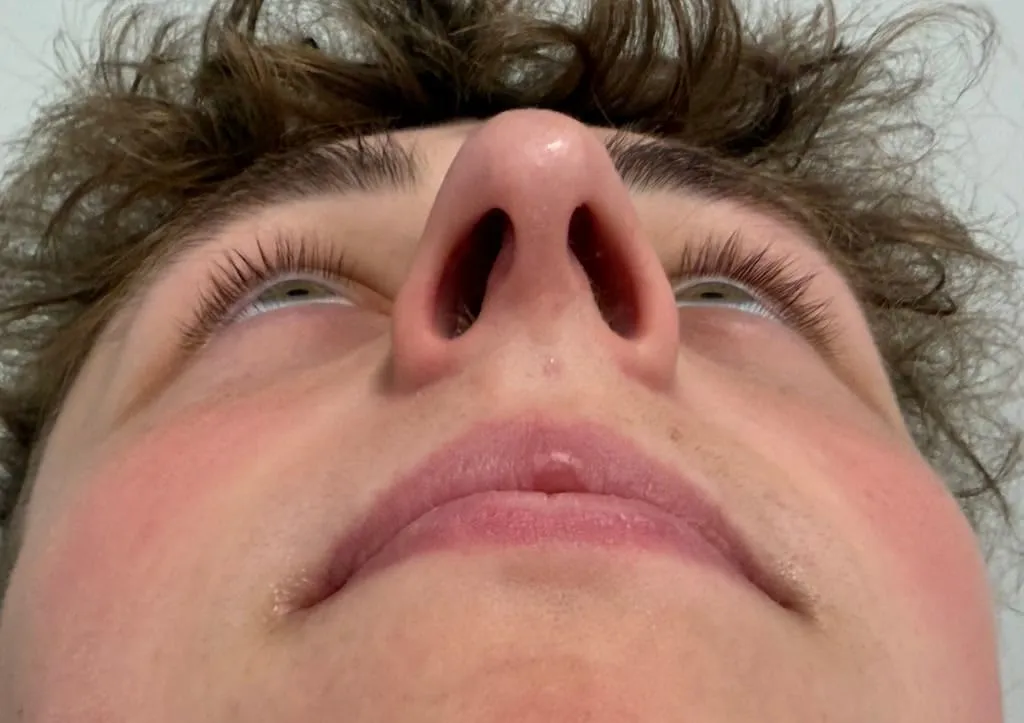
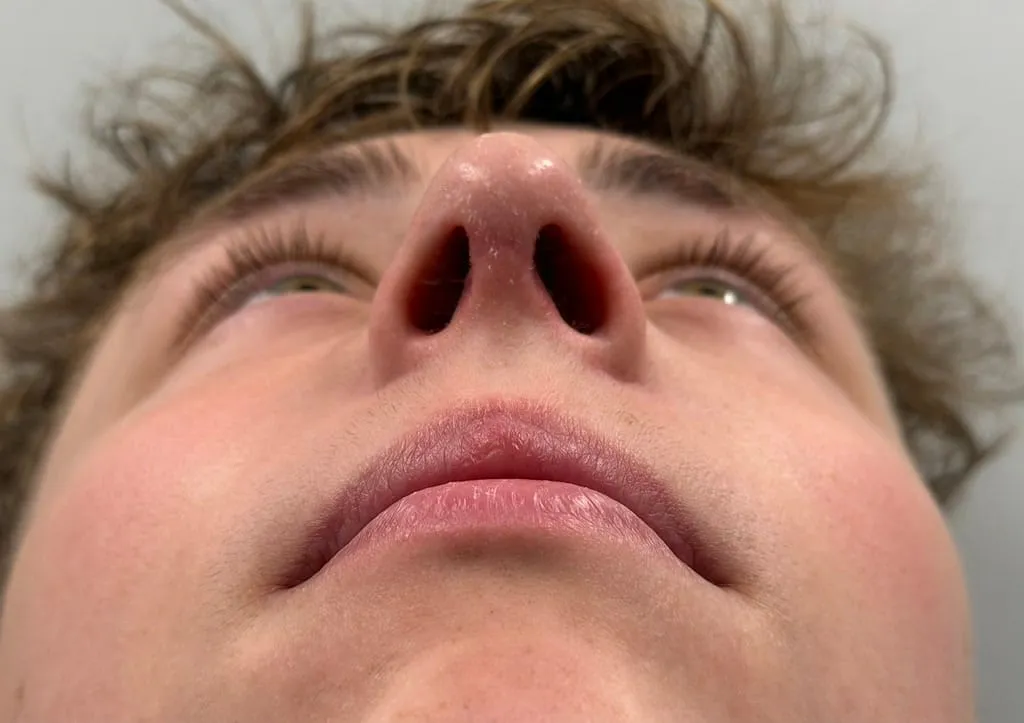
What Is Rhinoplasty?
Rhinoplasty, sometimes called a nose job, changes the shape of the nose by modifying bone, cartilage, skin, or a combination of these tissues. It may be performed for cosmetic reasons, functional concerns, or both. Planning considers your facial features, nasal structure, and goals rather than a single ideal nose shape.
Within facial plastics, rhinoplasty focuses on how the nose relates to the rest of the face. Your surgeon should discuss changes that may complement your features while respecting the characteristics you want to preserve.
What Can Nose Reshaping Surgery Address?
Rhinoplasty can change the size, shape, or proportions of the nose. It may also correct changes related to an injury or birth defect. Whether a particular change is appropriate depends on your anatomy and the support needed to maintain nasal function.
If you have trouble breathing through your nose, discuss this during your consultation. A physical examination helps determine how structural issues affect airflow and whether the proposed surgery could help. Appearance goals and breathing concerns should be considered together.
What Happens During a Rhinoplasty Consultation?
Your surgeon will review your medical history, previous nasal surgery, medications, and reasons for considering treatment. An examination of the inside and outside of the nose helps assess skin thickness, cartilage strength, and other features that may influence results.
Photographs may help guide the discussion and surgical planning. Ask what rhinoplasty can and cannot accomplish, how your breathing could be affected, and what follow-up care involves. Be open about your expectations; an individual medical assessment determines whether surgery is appropriate.
Rhinoplasty Recovery and Results
During early recovery, a splint, packing, or bandages may support and protect the nose. Initial swelling often improves over several weeks, but the final nasal contour may take up to a year to fully refine. Swelling can fluctuate during healing.
Follow your surgeon’s instructions for wound care, medications, exercise, and follow-up appointments. Ask when you can return to work and other activities instead of relying on a standard timeline.
What Are the Risks of Rhinoplasty?
Rhinoplasty risks include bleeding, infection, anesthesia complications, altered sensation, breathing difficulties, scarring, and an unsatisfactory appearance. Additional surgery may be needed. Discuss the potential benefits and complications before deciding; no surgical result can be guaranteed.
Rhinoplasty FAQ
Your Health is Our Priority
Discover comprehensive ENT care with our network of experienced providers across multiple convenient locations. From routine check-ups to specialized treatments, we’re here for all your ear, nose, and throat needs.